
Auden's Col Expedition
An expedition through glaciers, legends, and one of India’s toughest crossings.
Talk to an Expert
Trek Difficulty
Challenging
Trek Duration
16 days
Highest Altitude
5,490 meters
Suitable For
Experienced
Accommodation
Twin Sharing
Total Trek Distance
75-80 km approx
Basecamp
Gangotri
Accomm. Type
Hotel/Tent
Pickup Point
Dehradun
Accommodation Level
Economical
Auden's Col Expedition
A Journey Across Glaciers, High Passes, and the Sacred Himalayan Heartland
The Auden’s Col Expedition is one of India’s most elite and demanding high-altitude journeys, crafted for seasoned trekkers seeking a true Himalayan crossing. This expedition connects the sacred regions of Gangotri and Kedarnath, traversing remote valleys, vast glaciers, and technical terrain deep within the Garhwal Himalaya.
The route unfolds through dramatic landscapes — from ancient pine forests and alpine meadows to the formidable Khatling Glacier and the high, crevasse-ridden approaches to Auden’s Col (5,490M). This is not a conventional trek but a full-fledged expedition, involving glacier travel, rope work, and precise acclimatization under expert guidance.
Along the journey, you are surrounded by towering giants like Jogin I & II, Gangotri peaks, and the Bhilangana valley ranges, while walking through regions steeped in mythology and spiritual significance. With minimal footfall and raw wilderness at every step, the experience is deeply immersive, offering both physical challenge and rare solitude.
Designed for seasoned trekkers, this expedition is reserved for those with prior high-altitude experience seeking a true Himalayan challenge.
Trek Fee
Rs. 1,30,000 + 5% GST per person
Optional Add-ons
- Travel and Emergency Insurance
Available Dates to Register
- 06 June - 20 June 2026
Additional Information
Inclusions & Exclusions
Inclusions
- Meals During the Expedition (Starting Dinner on Day 1 till Dinner on Day 14)
- Hotel Stay in Gangotri, Kedarnath & Gauri Kund on twin sharing basis
- Certified trek leader and support staff.
- Safety gear: ropes, harnesses, carabiners (If Required).
- Private transport from Dehradun to Gangotri and back from Gauri Kund to Dehradun
- Forest permits, expedition permissions, and camping charges included (as applicable for Indian nationals).
- High-quality 4-season expedition tents, along with thermal-rated sleeping bags and insulated sleeping mattresses.
- Porter service for backpack offloading and Central Equipment
- List ItemFirst-aid trained local trek guide with in-depth route experience, supported by a professional cook and helper staff.
- Comprehensive first-aid kit, including a portable oxygen cylinder for emergency use.
Exclusions
- Meals during any road journeys
- Personal expenses such as tips, phone calls, laundry, etc.
- Travel insurance (if applicable)
- Emergency medical rescue and evacuation costs.
- Customary tips for porters and guides.
- Any additional expenses beyond standard inclusions.
Why is Auden's Col Expedition a Must-Do Expedition?
A True Himalayan Expedition (Not Just a Trek)
Auden’s Col is one of the rarest crossover expeditions in India, connecting the sacred valleys of Gangotri and Kedarnath. This isn’t a marked trail—it’s a raw, high-altitude expedition route involving glaciers, crevasses, and technical navigation
A Technical Challenge That Pushes You
Unlike regular treks, Auden’s Col demands: Use of crampons & ice axe Roped glacier travel, Steep snow and moraine navigation 👉 It’s a bridge between trekking and mountaineering—perfect if you want to level up.
Remote, Untouched & Wild
This route sees very few expeditions each year. No crowds, No fixed camps, No commercial rush 👉 You experience the Himalaya in its purest, most untouched for
Natural Hot Springs at Jhinu Danda
After days of trekking, a soak in the Jhinu Danda hot springs offers a refreshing break. These natural thermal baths are a hidden gem where trekkers relax before concluding their journey.
Elite Badge in the Trekking World
Completing Auden’s Col instantly puts you in a different league. Considered one of the toughest treks in India Requires prior high-altitude & technical experience High dropout rate → high respect factor 👉 This is the kind of expedition that defines your mountain journey.
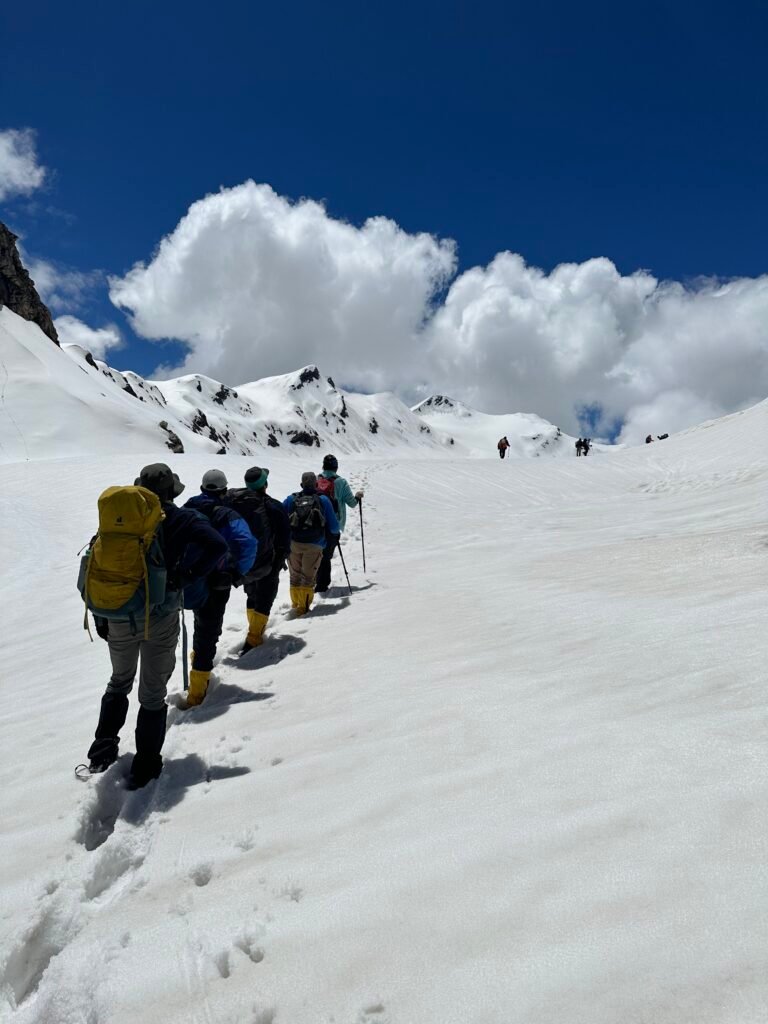
Auden's Col Expedition – 15 Days Detailed Itinerary
Day 1: Drive to Gangotri
- Altitude: 10,170 ft (3100 m)
- 8–10 hr scenic drive via Uttarkashi
- Significant altitude gain
- Check into your hotel and prepare for the trek ahead.
- Team briefing in the evening with trek leaders and fellow trekkers.
Day 2: Acclimatization in Gangotri
- Altitude: 10,170 ft (3100 m)
- Short acclimatization hike
- Temple visit (optional)
- Final preparation
An epic journey through Nepal’s heartland to the heights of 4,130M.
Day 3: Gangotri to Nala Camp
- Trek Altitude: 12,470 ft (3,800 m)
- Trek Duration: 5–6 hours
- Walk along the roaring Bhagirathi River
- Entry into remote, untouched Himalayan terrain
Day 4: Nala Camp to Rudugaira Base Camp
- Trek Altitude: 14,110 ft (4,300 m)
- Trek Duration: 6–7 hours
- Shift from trails to raw alpine landscape
- First close encounter with glacier systems
Day 5: Acclimatization & Training
- Trek Altitude: 14,110 ft (4,300 m)
- Trek Duration: 1–2 hours
- Technical training: rope work, crampons, ice axe
- Building confidence for expedition terrain
Day 6: Rudugaira BC to Auden's Col Base camp
- Altitude: 15,750 ft (4,500 m)
- Trek Duration: 6–7 hours
- Route moves onto the Rudugaira Glacier system with moraine, ice, and snow
- Transition from base camp comfort to true expedition terrain
- Your first glimpse of Auden’s Col appears after entering Sukha Tal, where the route ahead—and your ultimate objective—begins to reveal itself
Day 7: Auden's Col BC to Khatling Glacier Camp Via Auden's Col
- Trek Altitude: 18,010 ft (5,490 m) Camp Altitude - 5,000 m
- Trek Duration: 10–12 hours
- The defining day of the expedition
- Summit-style alpine start
- Steep snow climb & dramatic glacier descent
Day 8: Khatling Glacier Camp to Zero Point
- Altitude: 12,468 ft (3,800 m)
- Trek Duration: 5-6 Hours
- Long glacier traverse
- Transition from ice to morain to Re-enter green valleys after days in isolation
- Noticeable oxygen gain & comfort
Day 9: Rest Day at Zero Point
- Altitude: 12,468 ft (3,800 m)
- Well-earned rest and recovery day after glacier crossing
- Opportunity to dry gear and reorganize equipment
- Enjoy rare moments of silence in untouched Himalayan wilderness
Say goodbye to the Himalayas. Depart from Pokhara via flight or road, or extend your travels to explore more of Nepal.
Day 9: Rest Day at Zero Point
Facts and Important Information
The Annapurna Base Camp (ABC) trek starts from Pokhara, Nepal’s main adventure hub. Travelers first need to reach Kathmandu, followed by a short journey to Pokhara. Visitors from Delhi can reach Nepal through the following options:
By Air: Multiple direct flights operate daily from Delhi to Kathmandu, with a flight duration of approximately 1.5–2 hours. From Kathmandu, Pokhara is a 25-minute domestic flight or 6–7 hours by road.
By Direct Volvo Bus: One daily direct Volvo AC bus operates from Delhi to Kathmandu, taking approximately 24–30 hours. From Kathmandu, continue to Pokhara by flight or road.
By Train + Road: Trains run daily from Delhi to Gorakhpur. From Gorakhpur, travel by road to Sunauli, cross the India–Nepal border, and continue by bus or taxi to Kathmandu, followed by onward travel to Pokhara.
By Road (Private Vehicle): The total road distance from Delhi to Kathmandu is approximately 1,150 km. From Kathmandu, Pokhara can be reached by road or flight.
Tip: It is recommended to arrive in Kathmandu at least one day in advance to ensure smooth transfers and preparation before proceeding to Pokhara and starting the trek.
1: Government-Issued ID
- Aadhar Card, Passport, Driver’s License, or Voter ID
- Carry original and 2–3 photocopies
- Used for registration at checkposts, permits, and in case of emergency
2: Medical Certificate (Fitness Declaration)
- Issued by a registered medical practitioner
- Should mention that you’re fit for high-altitude trekking up to 5,250M
- Senior citizens or those with pre-existing conditions may need additional clearance
- Captain Alpine will provide a standard format for this
3: Disclaimer/Indemnity Form
- Signed declaration acknowledging risks involved in high-altitude trekking
- Provided by Captain alpine outdoors
- Must be signed before the trek starts
4: Passport & Visa (for Foreign Nationals)
- Carry your original passport and valid visa
Expedition Leader and Guide
- Certified & experienced in high-altitude trekking
- Leads the group, sets the pace, monitors health and morale
- Trained in first aid, AMS response, and emergency evacuation protocols
- Acts as the main decision-maker in case of weather delays, health issues, or route changes
Kitchen Staff / Cook
- Prepares nutritious and hot meals at each campsite
- Follows strict hygiene standards
- Adapts meals based on altitude conditions and energy needs
- Can accommodate basic dietary restrictions with prior notice
Support Staff (Helpers & Camp Managers)
- Set up tents, dining area, and sleeping arrangements
- Help with water, logistics, and campsite cleanliness
- Assist trekkers with backpacks, especially during river crossings or steep sections (on request)
Mule/Porter Team
- Carries camping equipment, common gear, kitchen supplies
- You carry only a daypack with essentials (camera, water, snacks, rain gear)
- Personal backpacks can be offloaded (optional, pre-booking required)
You Are in Good Hands
- Our team is local, friendly, and deeply familiar with the terrain
- They’re passionate about the mountains—and your experience
- Your safety and well-being are their top priority
Pre-Trek Health Requirements
- Medical Fitness: Consult a doctor and confirm fitness for high-altitude trekking (up to ~14,000 ft).
- Mandatory Health Checks: Blood pressure, heart rate, and stamina assessment for a medical certificate.
- Acclimatization Readiness: If you’ve experienced altitude sickness before, discuss preventive steps with your doctor.
Physical Fitness Preparation
To build endurance for the trek, follow these fitness guidelines:
- Cardio Training: Brisk walking, jogging, cycling, or swimming at least 4–5 days/week for 4–6 weeks before the trek.
- Strength & Endurance: Include core and leg workouts (e.g., squats, lunges, planks).
- Breathing Techniques: Practice Pranayama techniques like Bhastrika (Bellows Breath), Kapalabhati (Skull Shining Breath), and Bhramari (Bee Breath) to enhance lung capacity.
- Practice Treks: Try day hikes with a backpack to simulate trek conditions.
Altitude Awareness
The trek reaches altitudes up to 13,750 ft, where altitude sickness may occur. Common Symptoms:
- Headache, nausea, dizziness
- Loss of appetite, fatigue
If you experience any symptoms, report them immediately to your trek leader.
Essential Personal Medication
- Carry personal prescription medicines.
- Pack a basic first-aid kit including pain relievers (Paracetamol, Combiflam), band-aids, ORS, and antiseptic cream.
Note: Do not take medication without informing your trek leader.
Health & Safety Guidelines
- Avoid alcohol, smoking, and sedatives during the trek.
- Hydrate regularly, even if you’re not feeling thirsty.
- Maintain hygiene at campsites and lodges.
- Listen to your body, never ignore discomfort or unusual symptoms.
Emergency Protocol
- Trek leaders carry a basic first-aid kit and are trained in wilderness first aid.
- If necessary, evacuation assistance will be arranged.
Trekking to an altitude of 6,240M is possible at any age with intentional preparation and respect for the mountain.
1: Mindset and Preparedness:
- Understand that the trek involves semi-technical climbs, cold glacier sections, and long summit hours of 10–12 hours.
- Seniors should be in excellent cardiovascular health and comfortable walking 8–10 km daily with elevation gain.
- Be aware of altitude risks and mentally prepared for the challenging conditions.
2. Mandatory Medical Clearance:
- Consult your doctor with a detailed itinerary and altitude profile.
- Opt for cardiac stress and lung function tests if necessary.
- For conditions like hypertension or diabetes, discuss medication adjustments with your physician.
3: Physical Preparation Plan (3–6 Months):
- Walking and Hiking: Build up to 10–12 km daily walks with inclines, 3–5 times a week.
- Strength Training: Focus on legs, hips, and core to improve stamina and balance.
- Breathwork and Stair Training: Practice controlled breathing exercises to improve oxygen efficiency and incorporate stair climbing with light weights.
4: Acclimatization Tips:
- Spend at least 3–4 days in Leh (3,500M) prior to the trek for acclimatization.
- Stick to a slow and flexible itinerary to ease into higher altitudes.
- Avoid heavy meals, alcohol, and caffeine during the initial acclimatization period.
5: Essential Medications and Monitoring:
- Carry required medications, such as those for blood pressure or insulin, and monitor vitals with an oximeter. Oxygen saturation levels should ideally remain above 80% at high camps.
Age & Fitness Requirements
- Minimum age: 10+ years (younger children only if exceptionally fit and experienced).
- Kids should have good stamina and be mentally prepared for 6–8 hours of trekking daily.
- Prior experience with day hikes or trekking is highly recommended.
Preparation Tips for Kids
- Regular walking, jogging, and short hikes before the trek.
- Help kids get used to carrying a small backpack with essentials (water, snacks, jacket).
- Teach basic trekking etiquette and “leave no trace” practices.
Essential Items for Kids
- Proper trekking shoes with ankle support.
- Warm layers, waterproof jacket, gloves, and cap.
- Sunglasses and sunscreen.
- Favorite snacks and energy bars for motivation.
Health & Safety Considerations
- Kids are more vulnerable to cold, fatigue, and dehydration—monitor them closely.
- A medical check-up before the trek is required.
- Carry any necessary personal medications for your child.
- Inform the trek leader about any allergies or specific health needs.
Annapurna Base Camp Trek Trivia
The Hidden “Hinku Cave” Along the Route
Few trekkers notice the small Hinku Cave tucked away on the way to Annapurna Base Camp. Used as a shelter by past explorers, it has an air of mystery surrounding its existence.
The Dramatic Sound of Icefalls
While at base camp, trekkers often hear the thunderous roar of avalanches and icefalls in the Annapurna region—an awe-inspiring yet humbling reminder of nature’s power.
The Sacred Status of Machhapuchhre (Fishtail Peak)
Machhapuchhre is considered sacred by locals, and its summit has never been officially climbed. Even permits to climb are strictly denied to preserve its spiritual significance.
A “Natural Amphitheater” at Base Camp
Annapurna Base Camp sits in the middle of a circular glacial basin, creating a stunning 360-degree view. This unique formation gives the feeling of standing inside nature’s own amphitheater.
Latest Reviews
” Aenean sollicitudin, quis auctor, nisi elit consequat ipsum, nec sagittis sem nibh id elit. Duis sed odio. “
Lauren Munoz
Ronald Snyder
Jessica Hawkins
Sean West
Gallery
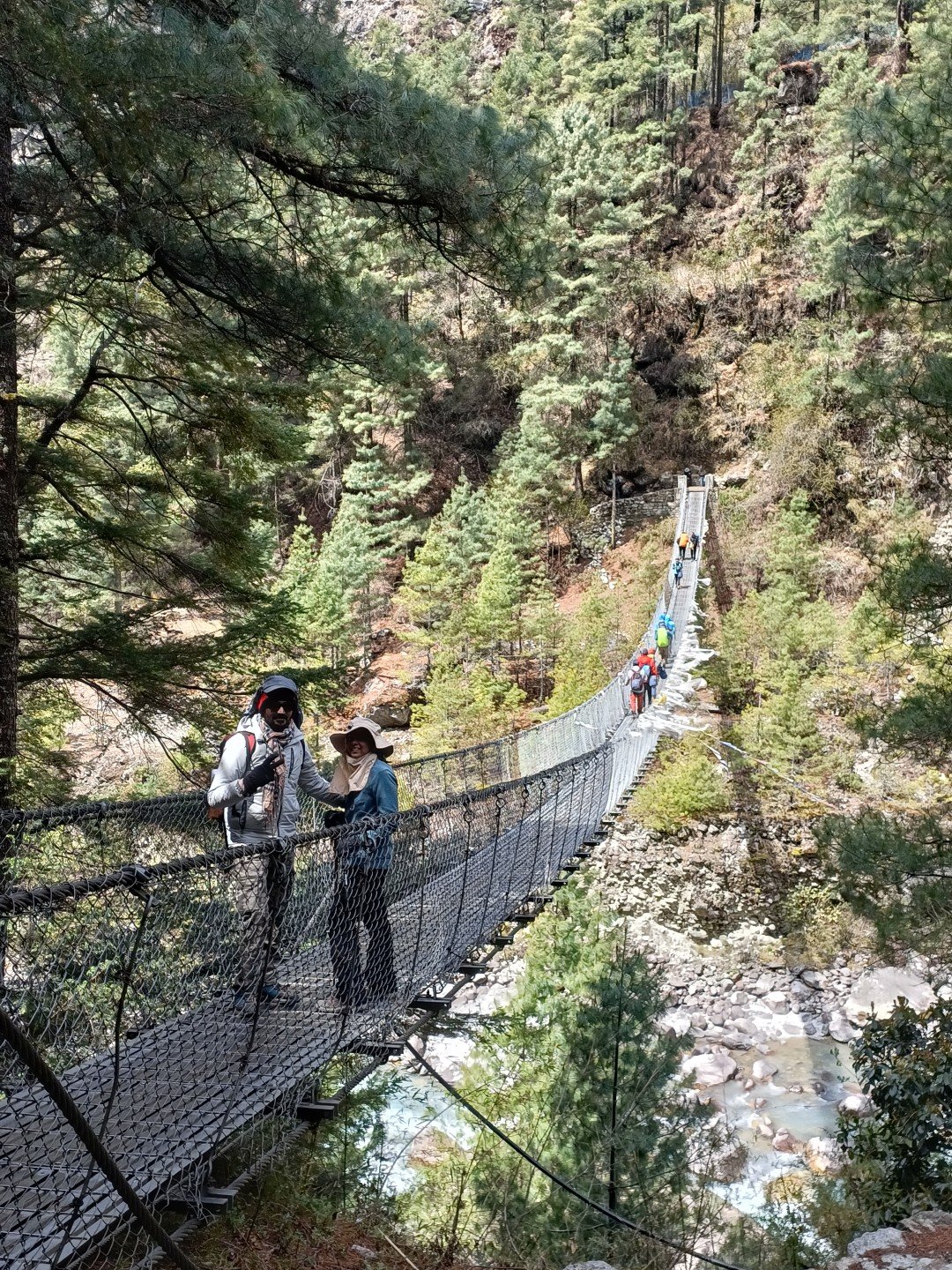
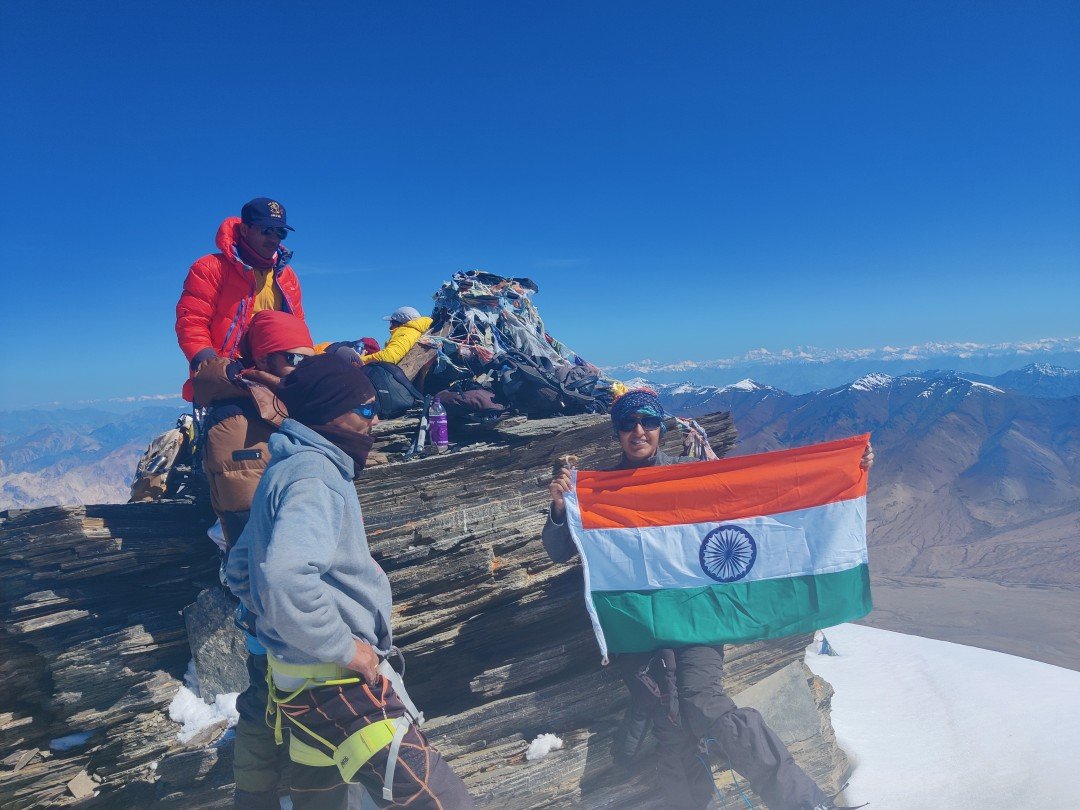
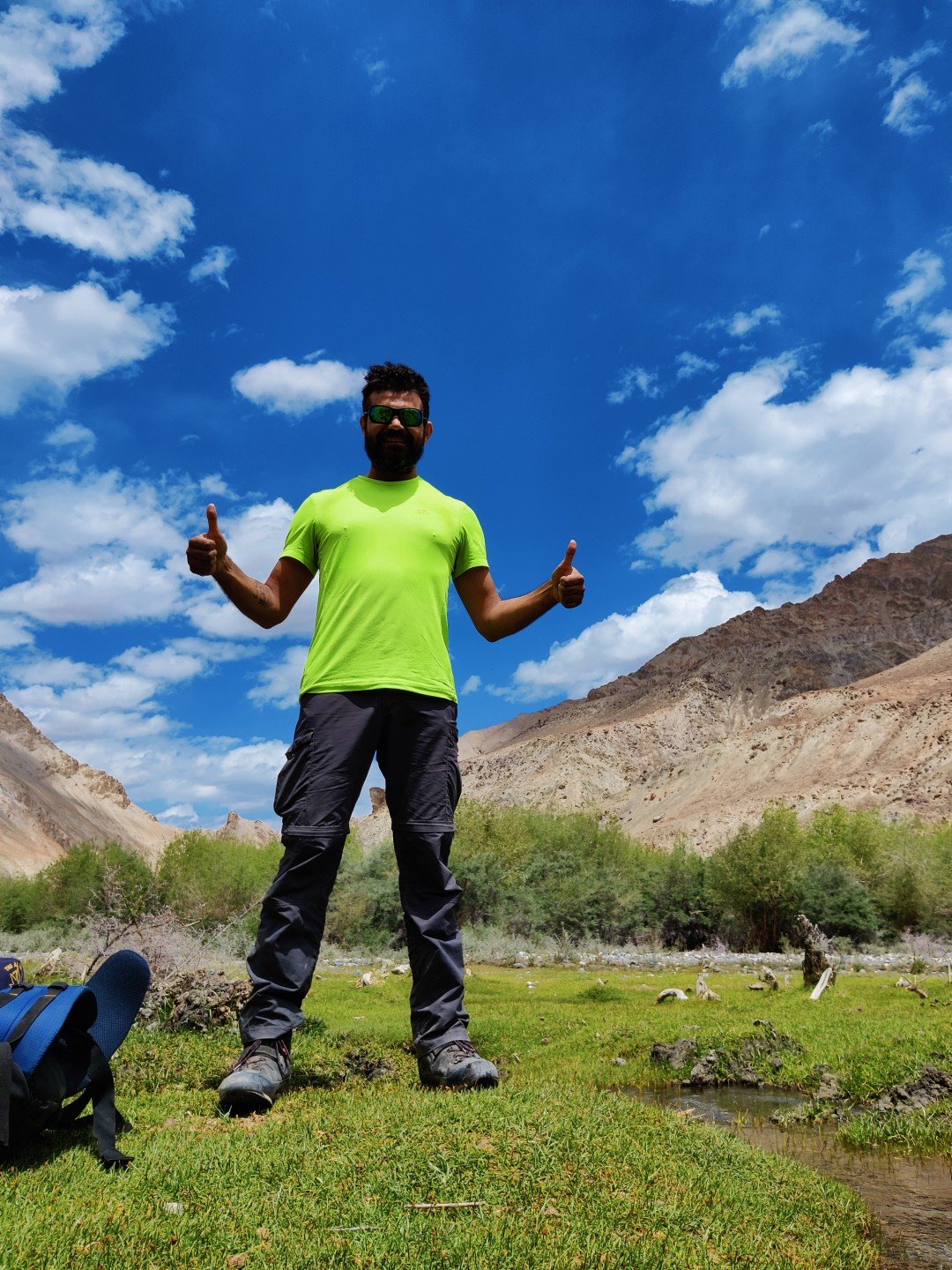
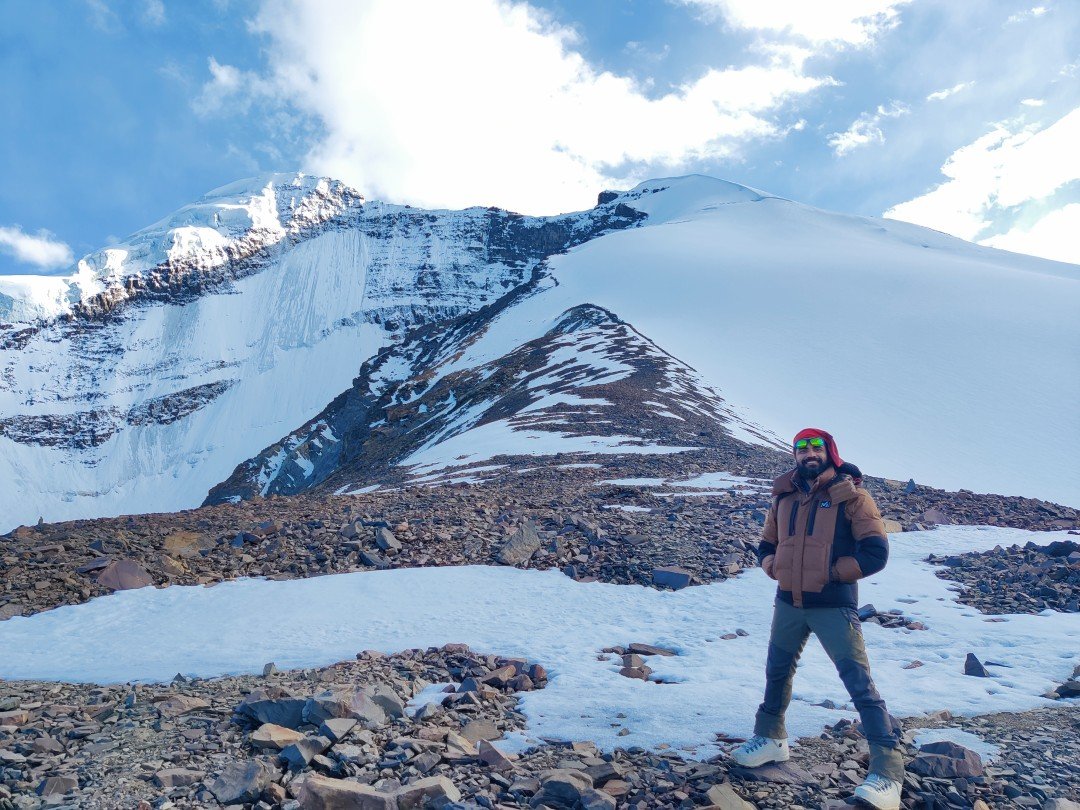
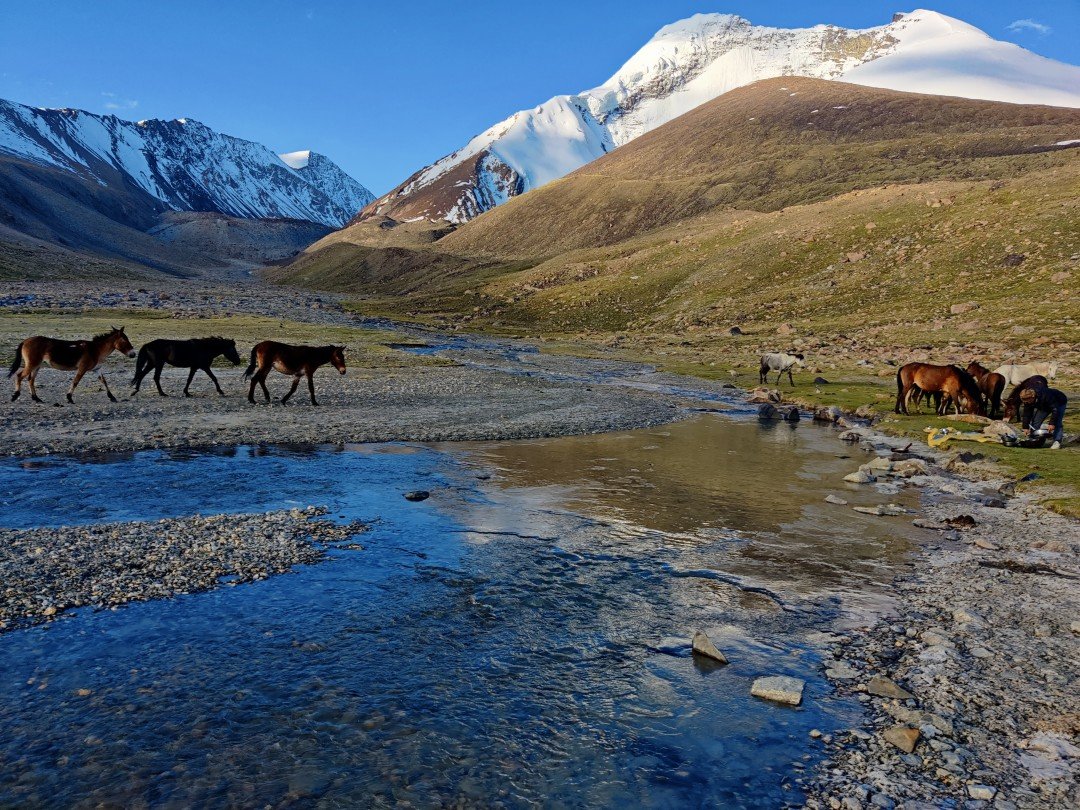
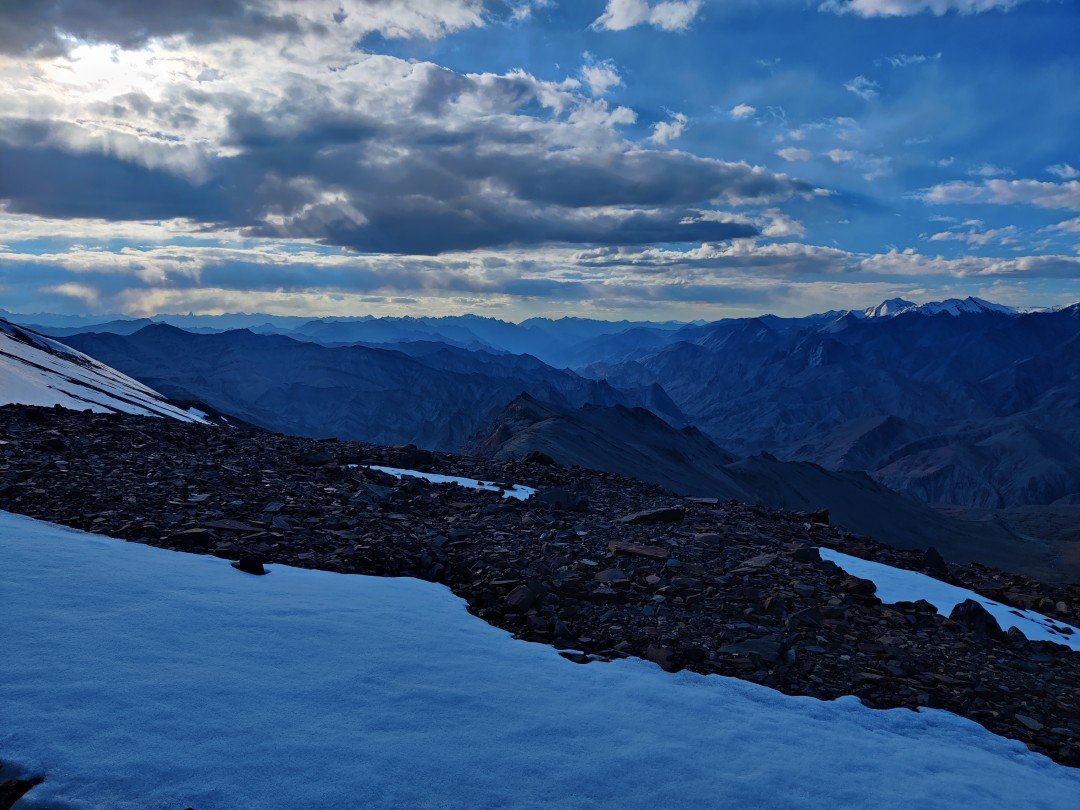

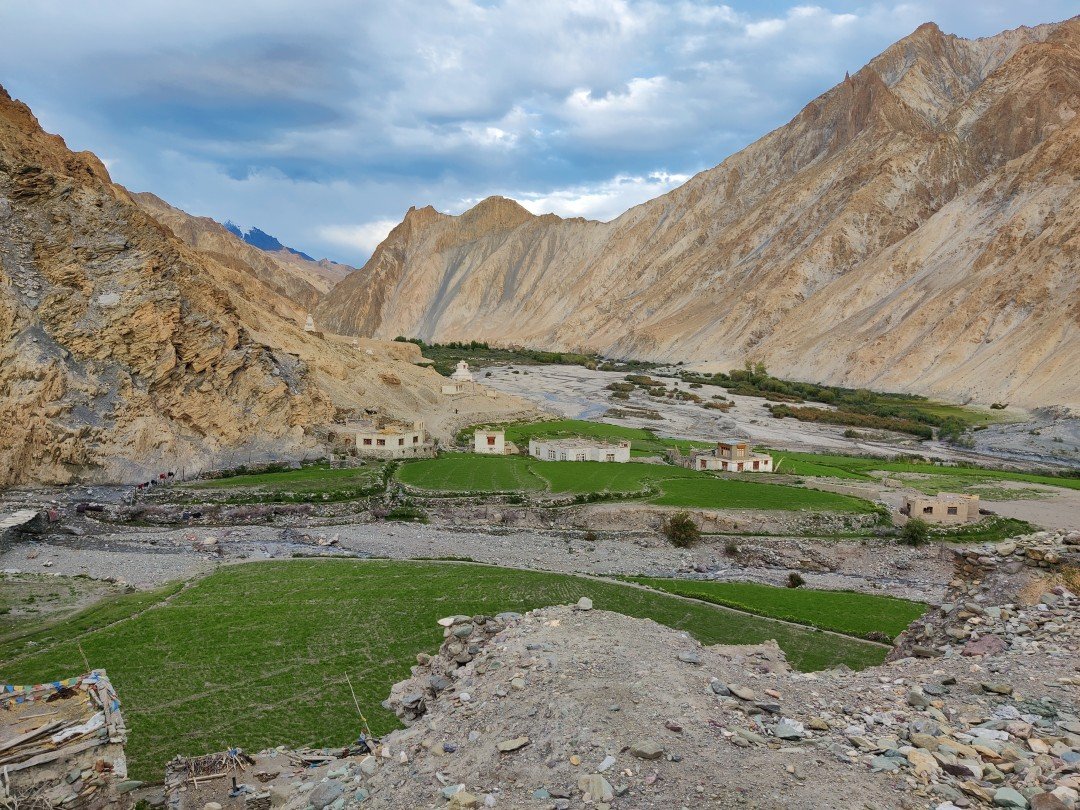


Annapurna Base Camp is calling—answer with an open heart and let the journey begin.
Latest Blogs

Best Time to Do the Annapurna Base Camp Trek (And What Each Season is Like)

Hidden Highlights of the Annapurna Base Camp Trek That Most Tourists Miss
F.A.Q.
Spring (March–May) and autumn (Sept–Nov) for clear skies and best views.
No, but decent fitness is important.
The trek lasts 12 days (Leh to Leh) and covers approximately 75–80 km, including acclimatization days and a buffer day.
Can be, but proper acclimatization helps prevent issues.
Yes, but limited and chargeable.
Optional; backpack offloading service is available.
Simple vegetarian meals with eggs.
Yes, TIMS Card & Annapurna Conservation Permit (included in trek cost).
4,130 m at Annapurna Base Camp.
Yes, with adequate preparation.
Contact
Phone
9897521533
support@captainalpine.com
Address
69 vedanth, first floor, alpha international city, sector 29, karnal, haryana, 132001