Kashmir Great Lakes Trek
Journey to the base of the world’s highest peak— where adventure, endurance, and spectacular landscapes come together
Talk to an Expert
Trek Difficulty
Moderate to Difficult
Trek Duration
8 days
Highest Altitude
4200mtr (13750 ft ) gadsar pass
Suitable For
past experience of trek or fit individuals
Accommodation
double sharing
Total Trek Distance
75 kms
Basecamp
Shitkari (sonmarg )
Accomm. Type
Tent accommodation
Pickup Point
will be updated on whatsapp group few days before trek date
Accommodation Level
tent economical
Stop Points
Trek Starts from Shitkari Basecamp and ends at Naranag
Departure dates
11 july to 18th july , 19th july to 26th july , 2nd aug to 9th aug
Kashmir Great Lakes Trek
Where Meadows Mirror the Mountains
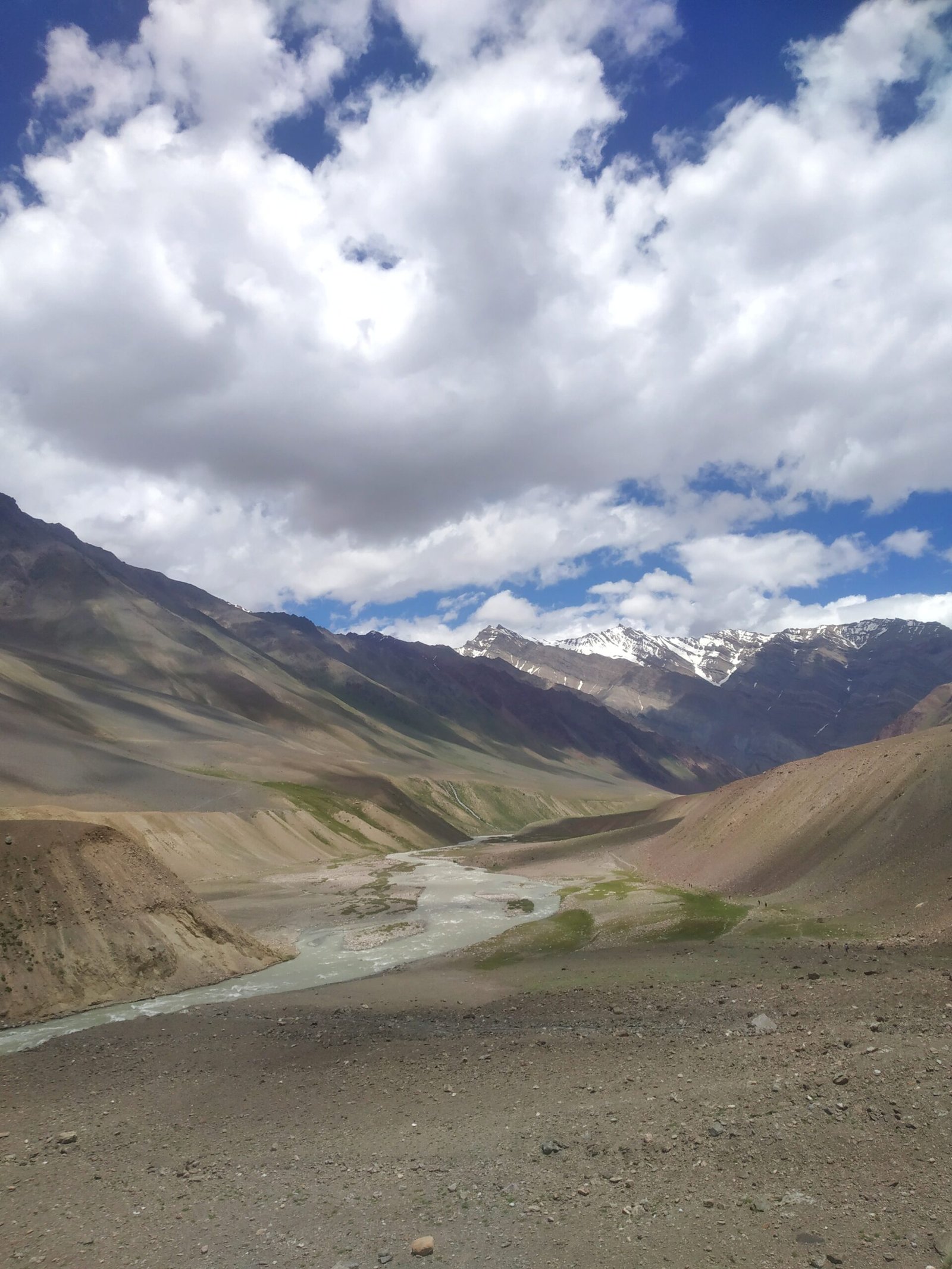
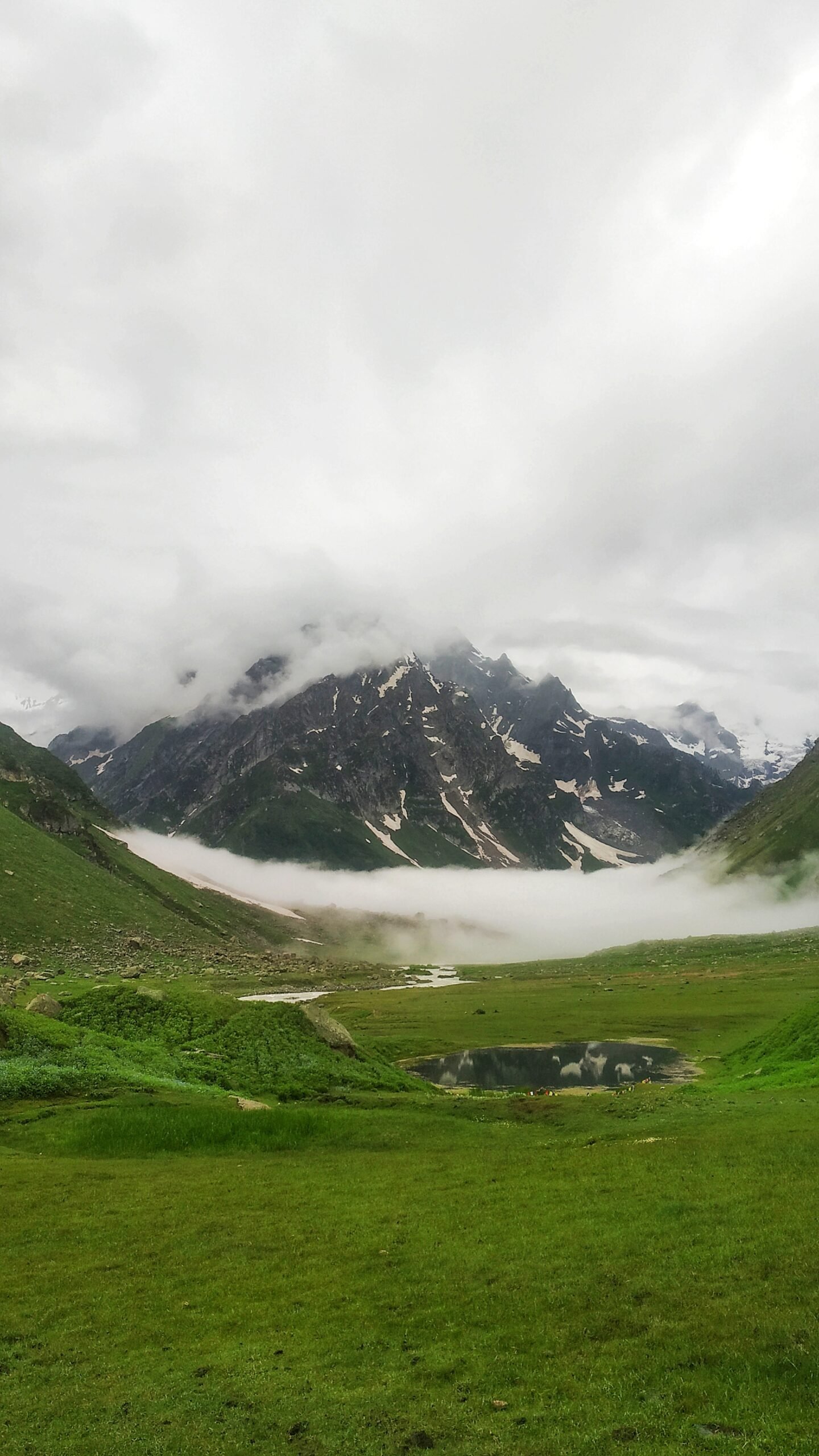
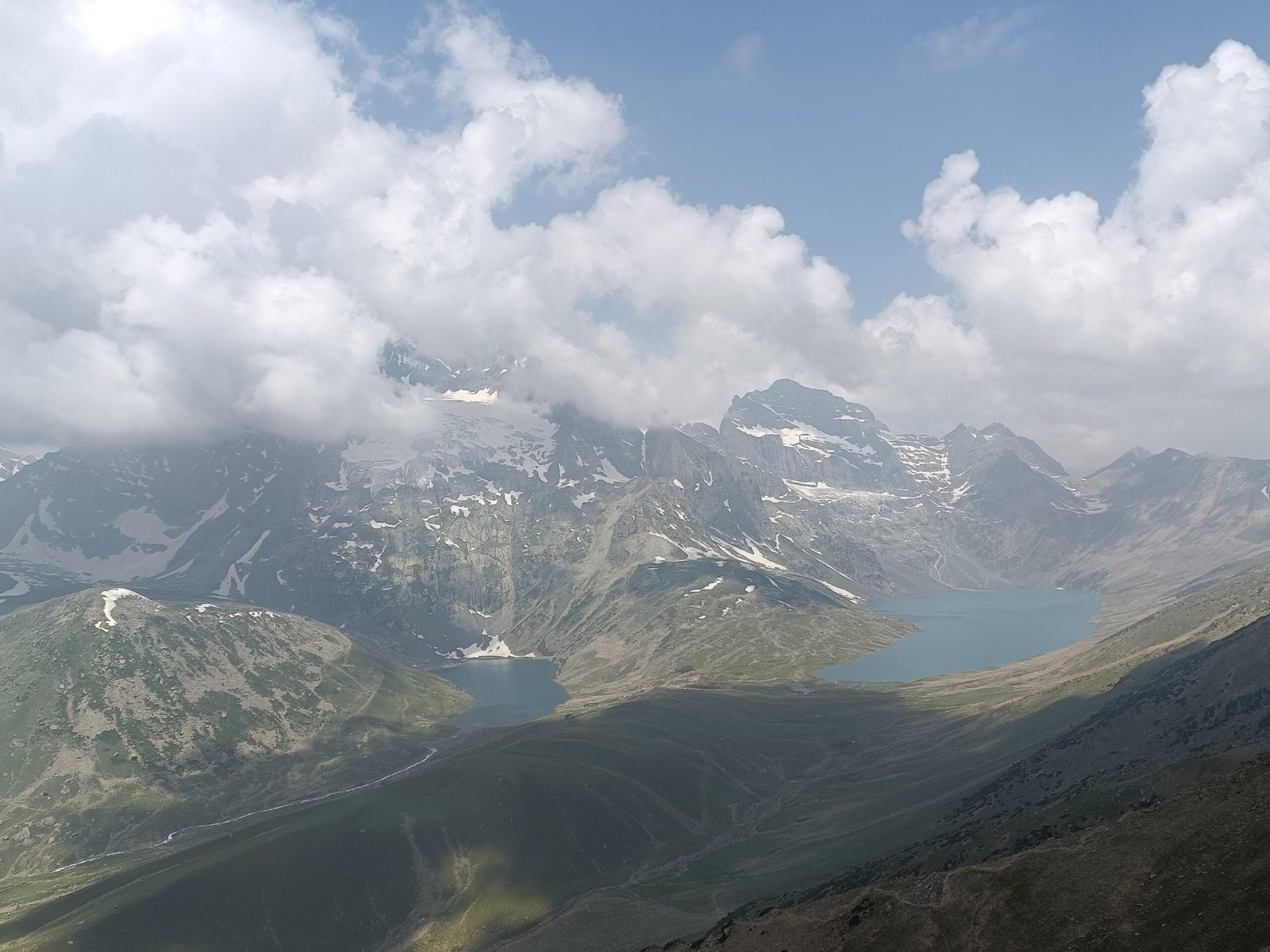
The Kashmir Great Lakes Trek is a 7–8 day alpine adventure in Jammu and Kashmir that takes trekkers through rolling meadows, high mountain passes, and a chain of crystal-clear glacial lakes.
Starting near Sonamarg and ending close to Srinagar, the trail crosses altitudes of over 4,200 meters (13,800 ft), offering panoramic views of rugged Himalayan peaks and endless grasslands.
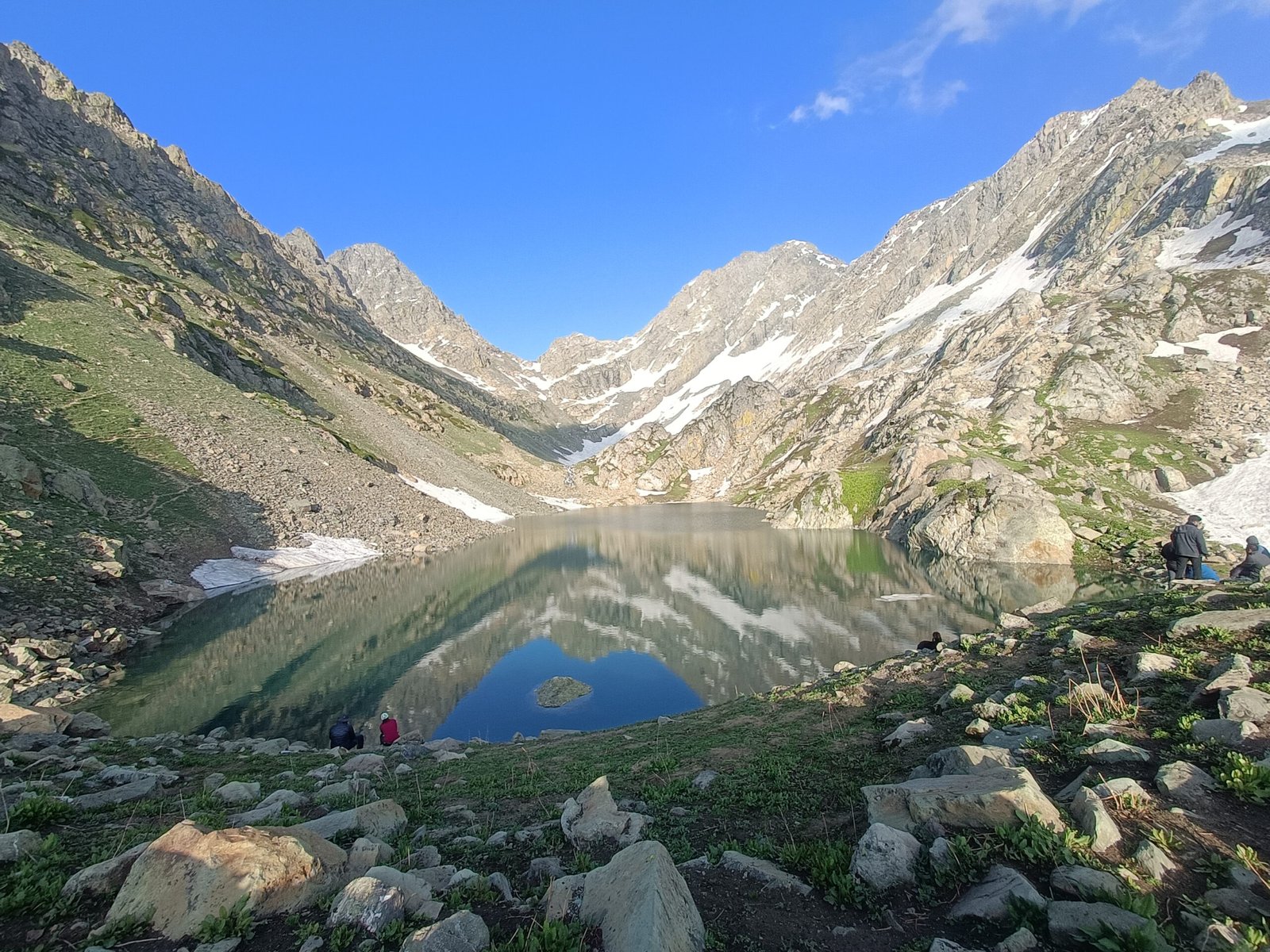
Trekkers witness iconic lakes like Vishansar Lake and Gadsar Lake, each changing colors with the sky and surrounded by snow-clad mountains. Though non-technical, the trek demands strong endurance due to long walking days, steep ascents, and high-altitude conditions.
This trek is perfect for adventure seekers looking for one of India’s most scenic high-altitude experiences before stepping into technical mountaineering challenges.
Trek Fee
21000+5%gst
Transport(srinagar to srinagar)
- 1600/person
Backpack Offloading
- 2500/bag
Outdoor Insurance
- 550
Single tent Accomadation
- 2400
Inclusions
Inclusions & Exclusions
Inclusions
-
Accommodation
- Camping in tents (double sharing) during the trek -
Meals
- Nutritious vegetarian meals (Day 1 dinner to Day 8 lunch)
- Tea, coffee & light snacks during the trek -
Captain Alpine Team
- Certified trek leader and local guides
- Cooks, helpers, porters, mules (for common gear) -
Permits & Entry Fees
- Trekking permits & environmental fees -
Logistics & Safety Equipment
- Tents, sleeping bags (sub-zero), mattresses
- First aid kit with oxygen cylinder
- Trekking pole (optional, rented)
Exlusions
-
Personal Expenses
- Personal trekking gear (shoes, jackets, poles, backpacks)
- Extra snacks, beverages, bottled water -
Travel Costs
- Travel to/from Srinagar (flight/train/bus)
- Local transportation outside itinerary -
Mule/Porter for Luggage
- Personal porter/mule (~₹400/day) for backpack -
Emergency Costs
- Evacuation expenses
- Medical & travel insurance (recommended) -
Meals in Srinagar
- Any meals outside the trek itinerary (before/after trek) -
Tips & Gratuities
- Tips for guides, cooks, staff -
Transport
- Srinagar → Sonamarg (base camp)
- Naranag → Srinagar (after trek)
Health Check and awareness
Trekking in high-altitude, remote terrain like the Kashmir Great Lakes demands a good level of physical fitness and awareness of health conditions that may arise. Here’s what you need to know before and during the trek:
Pre-Trek Health Requirements
- Medical Fitness: Consult your doctor and ensure you’re fit for high-altitude trekking (up to ~13,750 ft).
- Vital Checks Mandatory for Medical Certificate: Blood pressure, heart rate, and general stamina assessment.
- Acclimatization Readiness: Especially important if you've had altitude-related issues in the past.
Physical Fitness Preparation:
- Cardio Training: Brisk walking, jogging, cycling, or swimming (4–5 days/week for 4–6 weeks before the trek).
- Strength & Endurance: Core and leg strengthening (e.g., squats, lunges, planks).
- Practice Treks: Do day hikes with a backpack to simulate trek conditions.
Altitude Awareness:
- The trek reaches altitudes up to 13,750 ft.
-
Watch for signs of Acute Mountain Sickness (AMS):
- Headache, nausea, dizziness, loss of appetite, fatigue.
- Report any symptoms immediately to the trek leader.
Essential Personal Medication:
- Carry your personal prescription medications.
- Pack a basic first-aid kit: paracetamol, pain relief spray, band-aids, ORS, antiseptic cream, etc.
Note: Don’t take any medicine without informing your trek leader.
Health & Safety Guidelines:
- Avoid alcohol, smoking, or sedatives during the trek.
- Hydrate regularly — even if you don’t feel thirsty.
- Maintain personal hygiene, especially at campsites.
- Listen to your body, and never ignore discomfort.
Emergency Protocol:
- Trek leaders carry a basic medical kit and are trained in wilderness first aid.
- In case of serious illness or injury, evacuation support will be arranged.
- A buffer day is included in the itinerary for recovery or delays due to health/weather.
Kids Guidelines
Age & Fitness Recommendations:
- Minimum age: 10+ years (younger only if exceptionally fit and experienced).
- Kids must have good physical stamina and mental readiness for long days (6–8 hrs of walking).
- Prior experience with day treks or multi-day hikes is highly recommended.
Preparation Tips:
- Build endurance: Regular walking, jogging, or short hikes before the trek.
- Help kids get used to walking with a small backpack (water, snacks, jacket).
- Teach basic trail etiquette and “leave no trace” practices.
Must-Pack for Kids:
- Properly fitted trek shoes
- Warm layers, waterproof jacket, gloves, and cap
- Sunglasses and sunscreen
- Favorite snacks and energy bars (helps on tough sections!)
Health & Safety:
- Kids are more vulnerable to cold, fatigue, and dehydration — monitor closely.
- A medical check-up before the trek is essential.
- Carry any personal medications your child may need.
- Inform the trek leader about any allergies or specific health needs.
For Senior Citizens
Trekking in the Himalayas is a timeless experience, and many senior adventurers take on the Kashmir Great Lakes Trek successfully. With the right preparation, mindset, and safety measures, this journey can be deeply rewarding
Maximum Age – 65 ( no company issue adventure insurance above this age )
Pre-Trek Medical Clearance:
- A comprehensive medical check-up is mandatory.
- Ensure your heart, lungs, and blood pressure are in good health.
- Discuss high-altitude trekking with your doctor — get clearance in writing if possible.
- Carry enough prescribed medications for the full duration of the trek, with extras for emergencies.
Fitness Preparation:
-
Start a fitness routine 6–8 weeks prior:
- Daily walks (5–8 km), preferably on uneven terrain.
- Gentle strength training (leg and core focus).
- Breathing exercises and light yoga for flexibility and lung capacity.
- Practice walking with a light backpack.
Understanding the Trek:
-
The trek involves:
- Altitudes up to 13,750 ft
- Daily walking of 5–8 hours
- Rocky paths, steep ascents/descents, and uneven terrain
- You must be mentally prepared for basic camping conditions, limited connectivity, and cold nights.
Essential Gear for Seniors:
- Supportive, well-broken-in trekking shoes
- Trekking poles (highly recommended for stability)
- Adequate layered clothing for warmth and wind protection
- High-quality sleeping bag rated for sub-zero temperatures
- Knee braces or support gear (if needed)
Safety First:
- Trek leaders are trained in first-aid and altitude safety.
- A buffer day is included for rest or weather delays — can also be used for health recovery if needed.
- Evacuation support is available for emergencies, but prevention is key.
Many senior trekkers have completed the Kashmir Great Lakes Trek and describe it as a transformational experience. With proper planning, physical prep, and support from the team, age becomes just a number on the trail.
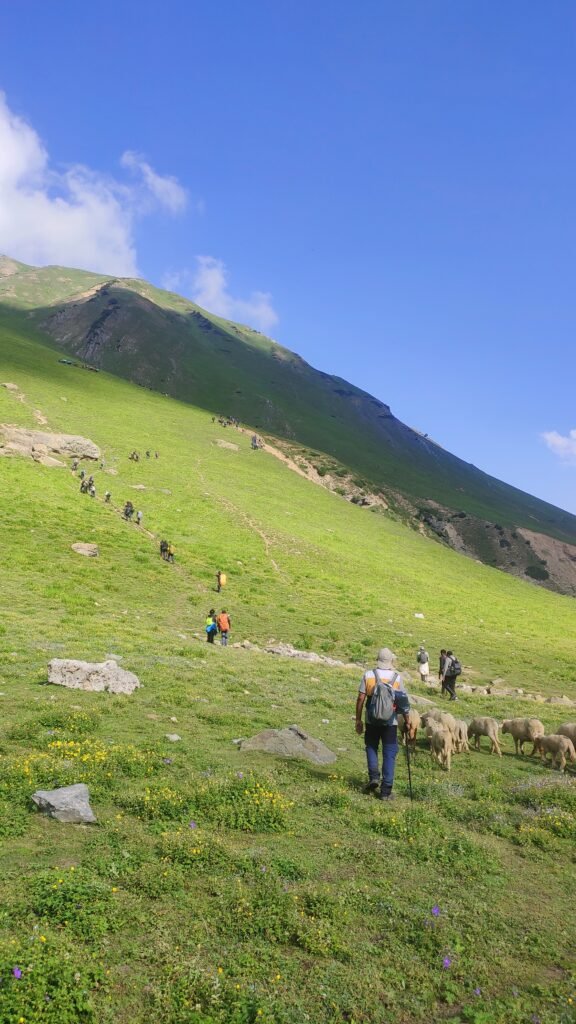
Kashmir Great Lakes Trek – 8 Days Detailed Itinerary
Day 1: Srinagar to Sonamarg (Shitkadi) – Drive Only
- Altitude: 7,800 ft
- Drive Duration: 3–4 hours (80 km)
- Highlights: Scenic drive along the Sindh River
- Stay: Camping/Hotel at Shitkadi
Day 2: Sonamarg to Nichnai via Table top– Trek
- Altitude Gain: 7,800 ft → 11,500 ft
- Distance: ~11 km
- Trek Duration: 6–7 hours
- Trail: Gradual ascent through maple/pine forests, followed by a steeper climb
- Highlights: Shekdur meadows, forest walk, alpine views
- Stay: Camping at Nichnai
Day 3: Nichnai to Vishansar Lake via Nichnai Pass – Trek
- Altitude: 11,500 ft → 13,100 ft (pass) → 12,000 ft
- Distance: ~12 km
- Trek Duration: 6–7 hours
- Trail: Moderate climb to the pass, descent into meadows
- Highlights: Nichnai Pass, meadows, Vishansar Lake
- Stay: Camping near Vishansar
Day 4: Buffer day ( Subjected to Weather Condition)
- Altitude: 12,000 ft
- Activity Duration: Flexible (2–3 hours of optional short hikes)
- Highlights: Lakeside exploration, short hikes, rest
- Stay: Camping near Vishansar Lake
Day 5: Vishansar to Gadsar via Krishansar & Gadsar Pass – Trek
- Altitude: 12,000 ft → 13,750 ft (pass) → 12,500 ft
- Distance: ~14 km
- Trek Duration: 7–8 hours
- Trail: Steep ascent to highest pass, then descent through meadows
- Highlights: Krishansar Lake, Gadsar Pass, Gadsar Lake
- Stay: Camping at Gadsar
Day 6: Gadsar to Satsar Lakes – Trek
- Altitude: 12,500 ft → 12,000 ft
- Distance: ~9 km
- Trek Duration: 5–6 hours
- Trail: Rolling terrain, mild ascents and descents
- Highlights: Interconnected Satsar Lakes, scenic campsites
- Stay: Camping at Satsar
Day 7: Satsar to Gangbal Twin Lakes via Zaj Pass – Trek
- Altitude: 12,000 ft → 13,400 ft (Zaj Pass) → 11,500 ft
- Distance: ~11 km
- Trek Duration: 6–7 hours
- Trail: Rocky ascent to the pass, steep descent to lakes
- Highlights: Zaj Pass views, Gangbal & Nundkol twin lakes
- Stay: Camping at Gangbal
Day 8: Gangbal to Naranag – Trek + Drive to Srinagar
- Altitude: 11,500 ft → 7,450 ft
- Trek Distance: ~13 km
- Trek Duration: 6–7 hours
- Drive Duration: 2–3 hours to Srinagar
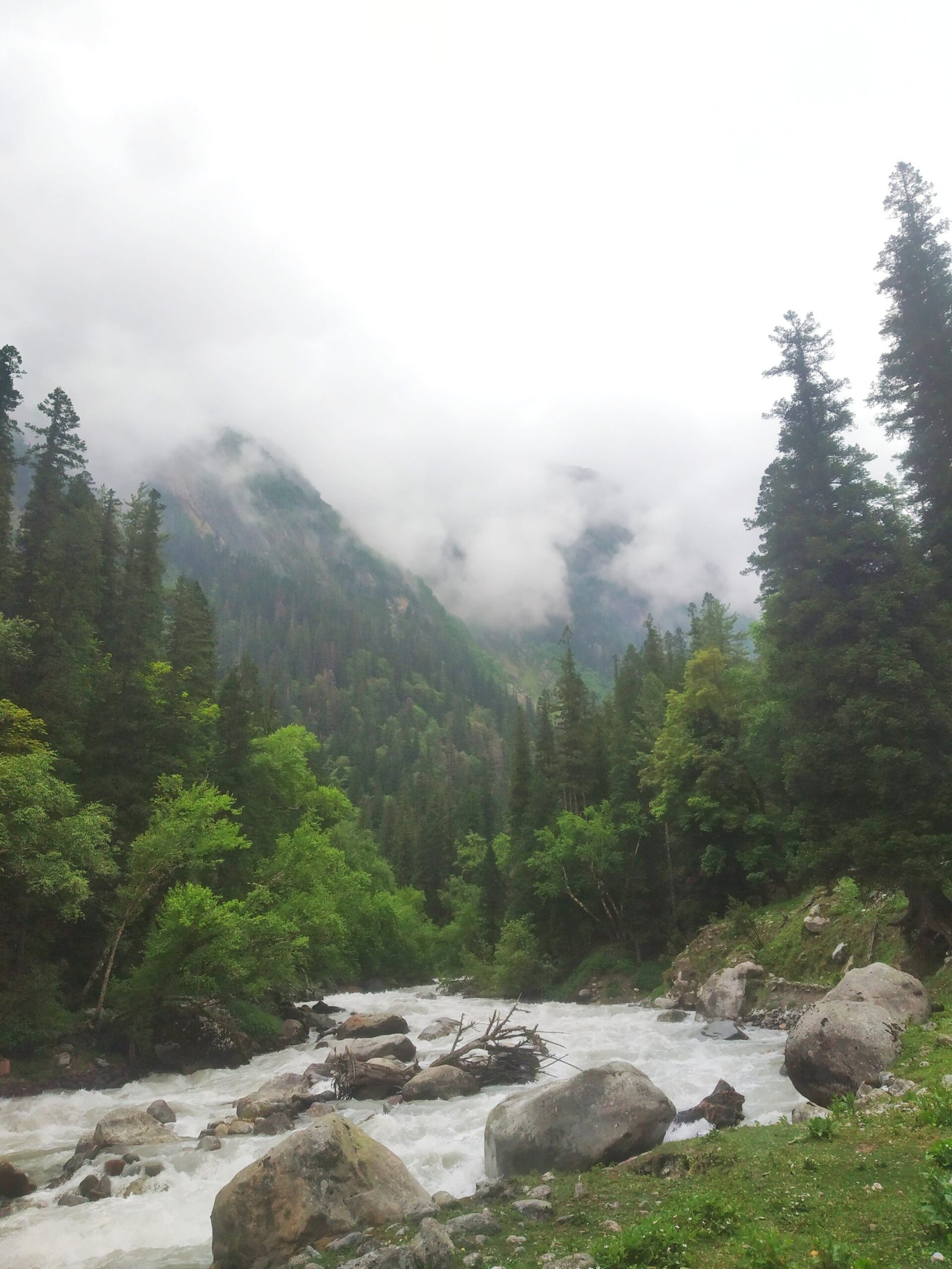
- Trail: Steep descent through pine forests
- Highlights: Naranag Temple, farewell to the mountains
Mandatory Documents
Soft copies for all of these are to be sent to us & originals should be on your person while on the trek.
1. Government-Issued Photo ID (Original + 2 Photocopies)
- Accepted IDs: Aadhar card, Passport, Voter ID, Driving License
- Must include: Full name, photo, and date of birth
- Purpose: Required at army checkpoints and for trek permits
2. Medical Certificate (Original)
- Format: Signed and stamped by a registered medical practitioner
- Must state: You are fit for high-altitude trekking
- Purpose: Confirms your health readiness for altitudes above 13,000 ft
3. Disclaimer/Indemnity Form (Original)
- Signed by: The trekker (or guardian, if under 18)
- Purpose: Acknowledges trek risks and responsibilities and For emergency Contacts
4. Passport & Visa (For Foreign Nationals)
- Photocopies and originals required
- FRRO registration copy, if applicable
- Purpose: For security clearance and identification at checkpoints
6. Passport-Size Photographs (2 copies)
For permits or ID cards issued by the trek organizer or forest/army officials
Important Reminders:
- Keep all documents in a waterproof folder or ziplock pouch
- Carry physical copies even if you have digital backups
- Always have ID accessible in your daypack during Whole treks
The trek starts from Shitkadi, a scenic village near Sonamarg in Jammu & Kashmir. Your journey will begin from Srinagar, the capital city and main transit hub for the region.
Step 1: Reach Srinagar
By Air:
- The nearest airport is Srinagar International Airport (SXR)
- Well connected to major cities like Delhi, Mumbai, Bangalore, Chandigarh, and Jammu
- From the airport, it’s about 80 km (3–4 hours) by road to Shitkadi
By Train:
- Nearest major railway station: Jammu Tawi (JAT)
- From Jammu, take a taxi or shared cab, Srinagar (~9–10 hours drive, ~270 km)
- Train + road is a longer route, but scenic and budget-friendly
By Road:
- Direct Buses(volvo/sleeper) to jammu are available from delhi and chandigarh
- Direct taxis to Srinagar are available from Jammu
- Popular road route: Jammu → Udhampur → Srinagar
Step 2: Srinagar to Shitkadi (Base Camp)
- Distance: ~80 km
- Travel time: 3–4 hours by road
- Modes:
- Trek Operator Pickup (recommended): Pre-arranged shared transport from Srinagar
- Private Taxi: Easily available from airport or city
- Shared Cabs: Available from Srinagar Tourist Taxi Stand
- Trek Operator Pickup (recommended): Pre-arranged shared transport from Srinagar
📝 Note: It’s best to arrive in Srinagar by Day 0 or early morning of Day 1 to ensure timely transport to Shitkadi.
Breakfast, Lunch, Evening Snacks, Soup and Dinner will be provided from Day 1 Dinner (at Shitkadi) to Day 8 Lunch (towards naranag).
Meals are vegetarian, with eggs
Pre-Trek Health Requirements
- Medical Fitness: Ensure you consult your doctor and confirm that you are medically fit for high-altitude trekking, especially up to an altitude of ~20,505 ft.
- Mandatory Vital Checks for Certificate: Blood pressure, heart rate, and general stamina levels must be assessed for obtaining a medical certificate.
- Acclimatization Readiness: Particularly important if you have experienced altitude-related issues before. Early preparation helps manage high-altitude adjustments better.
Physical Fitness Preparation
- Cardio Training: Engage in brisk walking, jogging, cycling, or swimming at least 4–5 days per week for 4–6 weeks leading up to the trek.
- Strength and Endurance Training: Focus on exercises like squats, lunges, and planks to strengthen your core and legs.
- Practice Treks: Undertake day hikes with a backpack to simulate trekking conditions and get accustomed to carrying essential gear.
Altitude Awareness
- The trek ascends to altitudes up to 20,505 ft, where oxygen levels are low.
- Symptoms of Altitude Sickness to Watch For:
- Headache.
- Nausea.
- Dizziness.
- Loss of appetite.
- Fatigue.
- Action Steps: Inform your expedition leader immediately if you experience any symptoms. Early intervention is critical.
Essential Personal Medication
- Bring your personal prescription medicines.
- Include a basic first-aid kit with items like paracetamol, antiseptic cream, ORS, pain relief spray, and band-aids.
- Important Note: Always inform your trek leader before taking any medication during the trek.
Health and Safety Guidelines
- Avoid alcohol, smoking, or sedatives during the trek as they can impact acclimatization and overall health.
- Stay hydrated by drinking water regularly, even when you don’t feel thirsty.
- Maintain personal hygiene at campsites to prevent infections.
- Listen to your body and report any discomfort immediately to your group leader or guide.
Emergency Protocol
- Expedition leaders carry a basic medical kit and are trained in wilderness first aid.
- In case of severe illness or injury, evacuation support is available.
- A buffer day is included in the itinerary for recovery or delays due to health or weather-related challenges.
- Our team is local, friendly, and deeply familiar with the terrain
- They’re passionate about the mountains—and your experience
- Your safety and well-being are their top priority
Equipment Provided by the Captain Alpine :
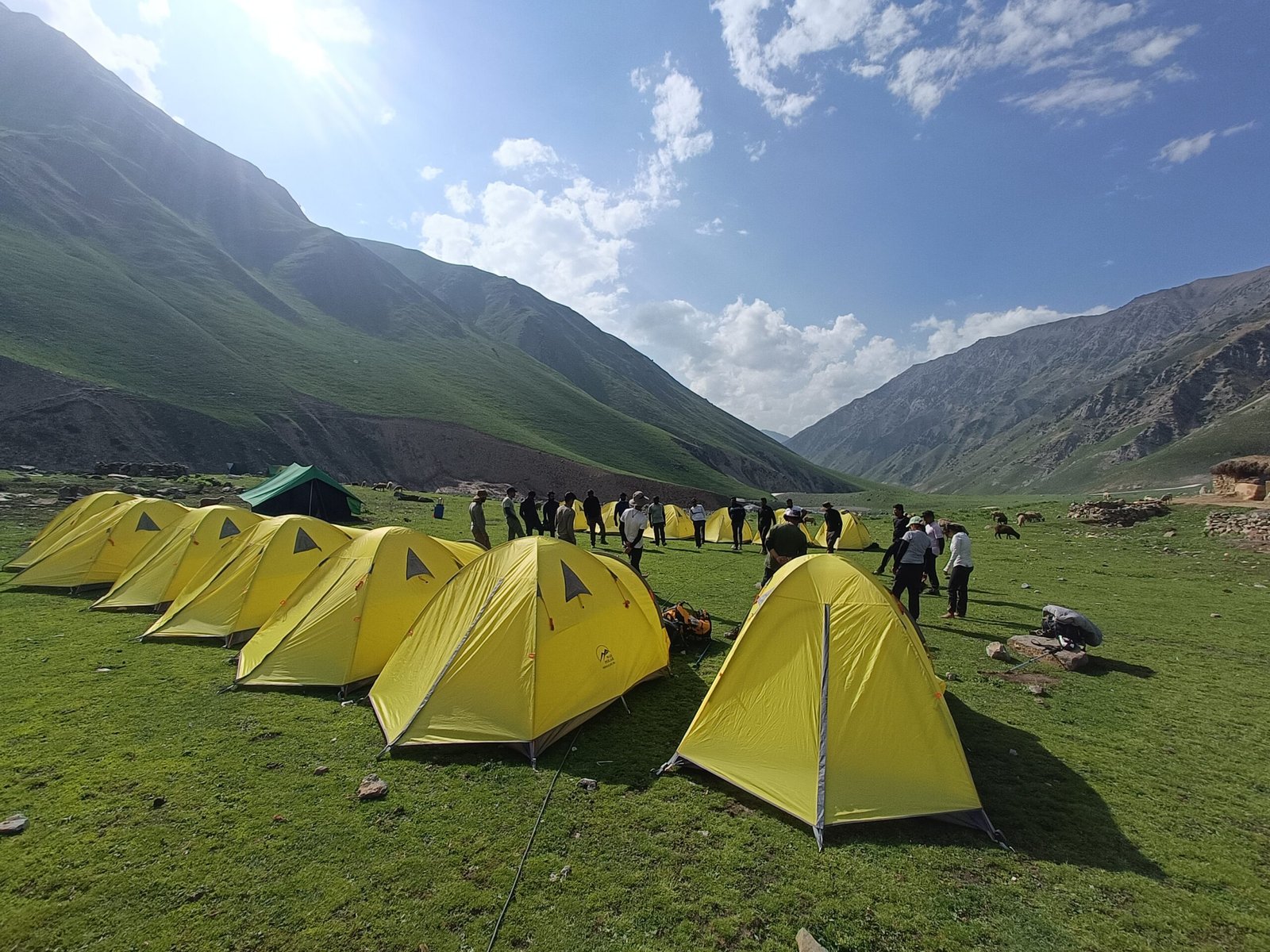
- Tents – 2+-person high-altitude tents (Twin shared basis)
- Sleeping Bags – Rated for sub-zero temperatures
- Sleeping Mats – Insulated foam mats for comfort & warmth
- Dining Tent – With seating arrangement for meals
- Toilet Tent – With dry pit system for sanitation
- Kitchen Tent – Managed by staff for meal prep
- Safety Gear – First aid kit, oximeter, stretcher (for emergencies)
- Common Trekking Gear – Ropes, crampons (if snow), etc.
First aid
The team carries:
- Basic first aid kit
- Oximeters to monitor oxygen saturation
- AMS medication (e.g., Diamox) and emergency contact access
- Trek leaders are trained to handle altitude sickness, sprains, minor injuries
Personal Trek Essentials
Personal Equipment (To Be Brought by Trekkers):
Clothing:
- 2–3 quick-dry t-shirts
- 2 full-sleeve warm base layers
- 2 trek pants (quick-dry preferred)
- 1 fleece jacket / woolen sweater
- 1 down or padded jacket (for cold nights)
- Thermal innerwear (top & bottom)
- Waterproof/windproof jacket & pants or poncho
- Woolen cap + sun cap
- Gloves – 1 warm waterproof
- 3–4 pairs of trekking socks (cotton)
- 1 pair of woolen Socks ( only used for sleeping ) to keep your feet warm
Footwear:
- Trekking shoes with good ankle support and grip (mandatory)
- Lightweight sandals or crocs (for campsite)
Backpacks:
- Trekking backpack (50–60L +) with rain cover
- Daypack (optional) if offloading main bag
- Dry sacks / ziplocks for waterproofing inside
Accessories:
- Sunglasses (UV protected, polarized)
- Sunscreen (SPF 50+), lip balm
- Headlamp with extra batteries
- Water bottles (2x1L) or hydration bladder
- Trekking poles (highly recommended)
Personal Hygiene & Toiletries:
- Toothbrush, toothpaste, biodegradable soap
- Toilet paper, small towel
- Hand sanitizer, face mask
- Feminine hygiene products (carry-out system)
Optional Extras:
- Power bank
- Camera/GoPro
- Notebook & pen
- Snacks, trail mix, energy bars
Important Tips:
- Pack light – Max weight: 8–10 kg including your daypack
- Keep all essentials in your daypack (especially warm layers, snacks, and water)
- Use layering system for clothing to adjust to temperature changes
Gallery
A trek to remember, an adventure worth taking.
Follow the path of adventurers before you and experience the Himalayas up close.
Contact
Phone
9897521533
support@captainalpine.com
Address
69 vedanth, first floor, alpha international city, sector 29, karnal, haryana, 132001